| Is the Gas Connector Behind Your Stove a Fire Waiting to Happen?
Behind your gas stove, oven, or clothes dryer is a small flexible metal tube called a gas connector. If your home is more than 15 years old, that connector may be made of older, uncoated brass and the U.S. Consumer Product Safety Commission (CPSC) warns that these older connectors can crack or break, causing a gas leak that can lead to a fire or explosion. CPSC is aware of at least 38 deaths and 63 injuries related to failures of these older uncoated brass gas connectors since 1980.
Why Older Brass Connectors Are So Dangerous
Older, uncoated brass gas connectors were made with a corrugated brass tube and brass fittings that were soldered onto each end. Over time, the solder can fail, causing a break in the connector and resulting in a gas leak. The connector can also crack or break if moved even slightly — including when someone moves the appliance to clean behind it. The CPSC specifically warns consumers not to move their appliances to inspect these connectors themselves, as the act of moving the appliance could cause a weakened connector to fail immediately.
These older brass connectors have not been manufactured for at least 30 years, but many are still in use in older homes. They are found most often behind gas ranges, ovens, and clothes dryers.
How to Tell If You Have an Old Connector
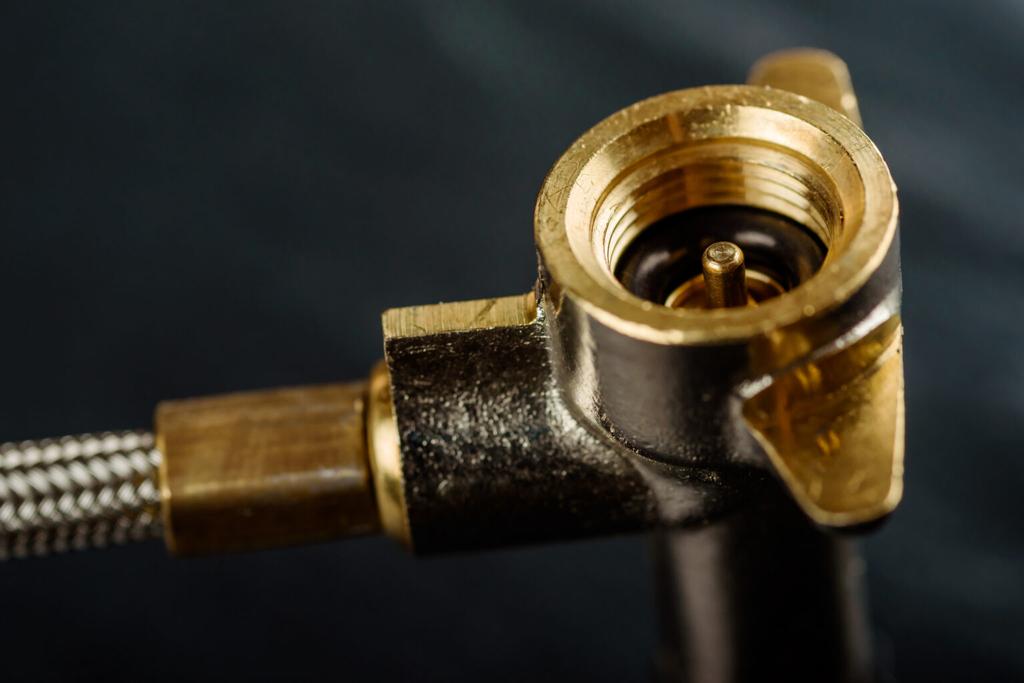
Uncoated brass connectors are gold-colored. Newer, safe connectors are typically corrugated stainless steel, which has a silver appearance, or plastic-coated brass. If you are unsure what type of connector your appliances use, have a professional inspect them.
What You Should Do
If your home has gas appliances that are 15 years or older, contact a qualified professional — such as a licensed plumber, heating contractor, or gas company technician — to inspect the gas connectors.
Do not attempt to inspect, move, or replace gas connectors yourself. Only a qualified professional should handle this work.
If you see, smell, or hear gas escaping from behind an appliance, leave the home immediately, leave the door open, do not operate any electrical switches or lights, and call your gas company from a neighbor’s phone or mobile phone outside the house.
Replace any uncoated brass connector immediately with a new stainless steel or plastic-coated brass connector. Do not move the appliance to check — have a professional do the inspection in place.
To report a dangerous product or a product-related injury, visit SaferProducts.gov or call CPSC’s Hotline at 800-638-2772.
Source: https://www.cpsc.gov/Newsroom/News-Releases/1997/CPSC-Warns-About-Dangerous-Flexible-Gas-Connectors-Used-on-Home-Appliances |